Home ownership and the world wide web
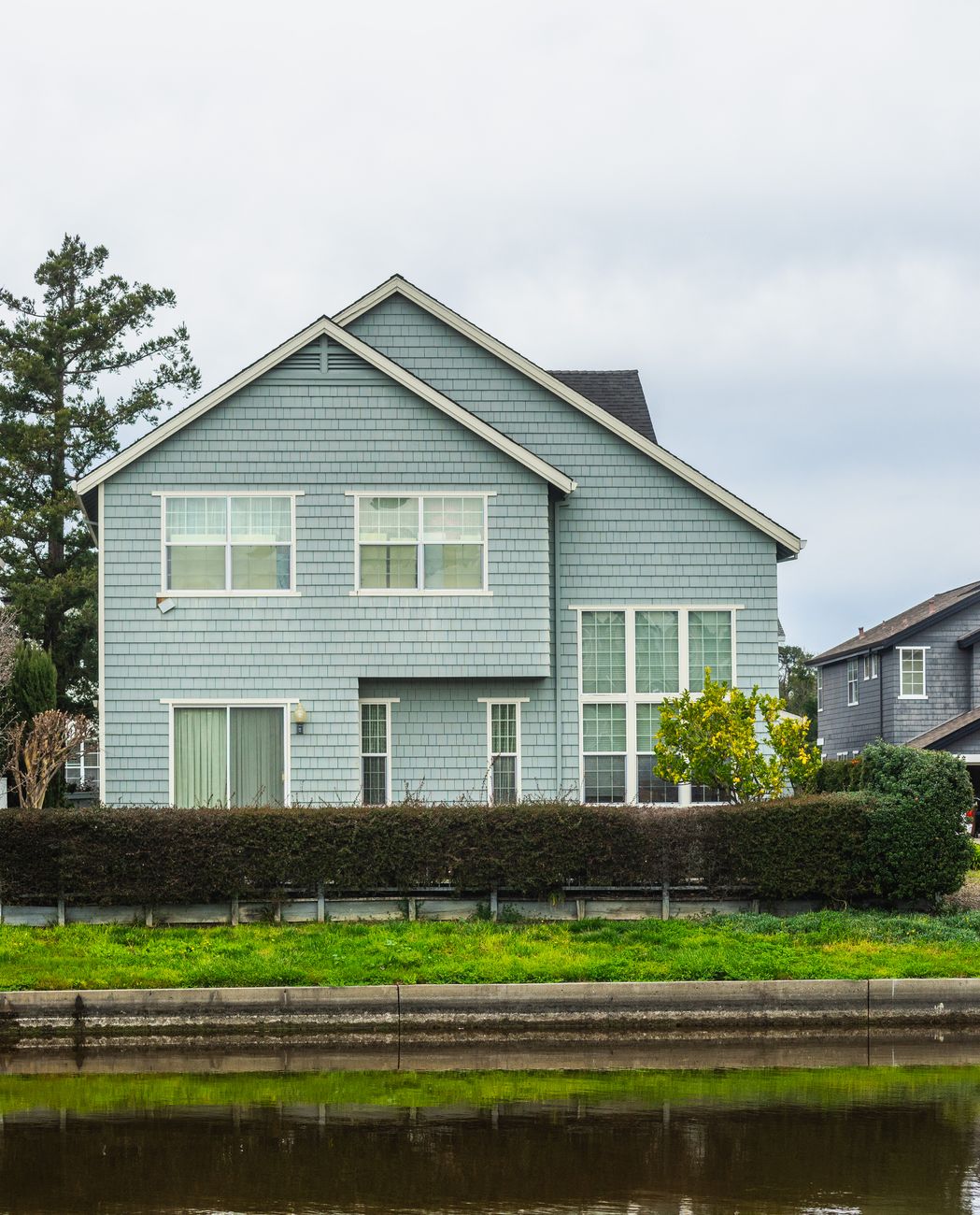
Imagine you decide to build your own home. You save up enough money, buy a plot, hire an architect to design the house to your specifications, and hire a developer to build it. The developer uses builders, electricians, plumbers, etc, to build the house according to the plans. The house is modest, but it meets your current needs, and you can always work with the architect and the developer if you want to expand later.
When the developer hands over the keys to your new property, he lets you know that the way it’s built means that if you need to change anything, even the smallest thing, like changing the light bulb, it will require you to contact him, and he will have to make the change for you. You’re kind of shocked at this statement. Sure, something big like putting a new door in through a wall, or extending a room will require his services, but changing a light bulb?
“Yup,” he says. “Sorry, but the house is built in such a way that while it was quick and easy for me to build it, any future changes to anything require me to be involved, as it’s too technical for you to handle.”
That is static sites, in a nutshell.
Don’t get me wrong, I’m a firm believer in the right tool for the job at hand. And for some jobs, static sites make sense. But the minute your client wants to make the smallest change themselves, you’re going to need to implement some form of CMS. And in my mind, I’ve yet to find anything better than WordPress.
That’s why I’ve used WordPress for my personal site since 2009. I don’t want to have to submit a PR, merge it, rebuild, and republish the entire site just because I forgot to spell something correctly.
Leave a Reply